

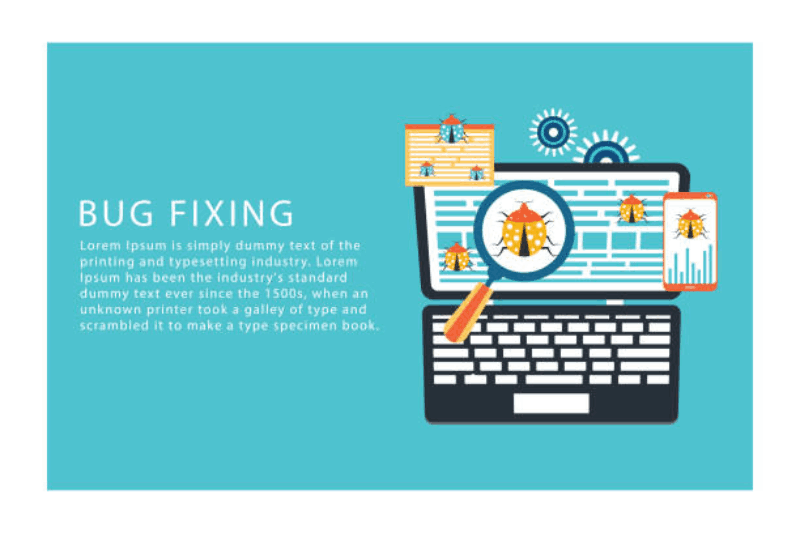
Bugs and fixes with the release of iPhone 2.0 software, especially the App Store, the iPhone have taken a significant step from being a smartphone to a Mac “in your pocket.” While the benefits of being a Mac highlights here, there are some downsides to consider as well. In particular, there are app crashes. While these unwanted events occasionally happen on iPhone 1. x, their likelihood has increased significantly with the explosion of third-party software currently available. With that in mind, here’s a start on how to get rid of bugs and fixes app problems:
1. When to Restart
One of the most common problems is when an app crashes every time you launch it, taking you back to the home screen. If that happens, it’s time for iPhone Troubleshooting 101.
Your first step (like on a Mac) should be to restart the iPhone. To do this, press and hold the Power button until the “Slide to power off” option appears. Please turn off your iPhone and then turn it back on. I’ve found that this fixes about 90 per cent of crashing issues. If the problematic app has clogged the “shutdown” slider so much that it never appears, press and hold power and home keys simultaneously until the Apple logo appears, indicating that the iPhone will force restart.
Users frequently encounter crashes, loading errors, and compatibility problems when using mobile apps. Keeping applications updated and checking device settings can help resolve many common issues.
2. Stay up to Date
Most app crashes are (not surprisingly) the result of bugs and fixes in the app’s software. Hopefully, such bugs will fix in updated versions of the software that are finally released. That’s why it’s worth looking for updates.
To check from your iPhone, go to the App Store and tap the Updates button. If updates are listed, you will give the option to install them. Alternatively, you can check for and install updates via iTunes by selecting Apps in the iTunes Library and clicking the “Check for updates” button.
Expect some inconsistencies here. For example, when I checked the latest updates, there were two in iTunes but only one in the App Store on the iPhone. Macworld’s Jonathan Seff found other inconsistencies in iPhone app updates.
Effective mobile application development involves testing, debugging, and compatibility checks to identify software defects before they affect users.
In any case, I recommend updating from iTunes (and syncing the updates to your iPhone) rather than updating f itself. And it takes a long time to connect the software directly to your iPhone. To make it more annoying, you should ideally avoid doing anything with your phone while you wait for the update to complete.
While the iPhone is still working during an update, whatever you try to do usually happens at a slower rate, and sometimes you get to a point where you think your iPhone has stopped working, which could cause you to restart your phone. Surprisingly, the installation process survives such a reboot and picks up where it left off. Still, things will work better if you update from iTunes.
3. Get Rid of Apps
If an app continues to give you problems, you can choose to uninstall it. To do this, delete it from your iPhone and iTunes before the next sync. Although Apple claims that only one app can remove it from iTunes (which will cause it to remove it from your iPhone during the next sync), many users have found that such “deleted” apps are transferred from iPhone back to iPhone. After sync (without the warning message that should appear). To remove an app from your iPhone, touch and hold any icon on the home screen until the icons shake. Now tap the X symbol in the upper left corner of the app icon you want to uninstall. Then press the Start button.
Exploring practical mobile app ideas can also highlight the importance of user-friendly interfaces, reliable features, and thorough testing when designing applications.
Editorial Team
Meet the writer and reviewer responsible for creating and reviewing this article for Techie Records.

Fahmeena Begum is a Technology Content Writer with 3+ years of content writing experience. She creates clear and reader-friendly content covering technology, gadgets, apps, artificial intelligence, software and digital trends. Her work focuses on simplifying technical topics and presenting useful information for Techie Records readers.
View Fahmeena's Profile →
Sameena Begum is a Technology Content Reviewer with 8 years of digital content experience. She reviews technology-focused content for clarity, readability, structure, consistency and factual presentation, helping Techie Records maintain clear and reader-focused editorial standards.
View Sameena's Profile →